
Transnational Living: Designing Homes Without Borders
Transnational living is a concept that is becoming increasingly popular in today’s globalized world. It refers to individuals or families who live and work in multiple countries, without being tied down to one specific location. This lifestyle has many benefits, such as exposure to different cultures and experiences, but it also comes with challenges, particularly when it comes to designing a home. In this article, we will explore the concept of transnational living and how it is changing the way we think about home design, without borders.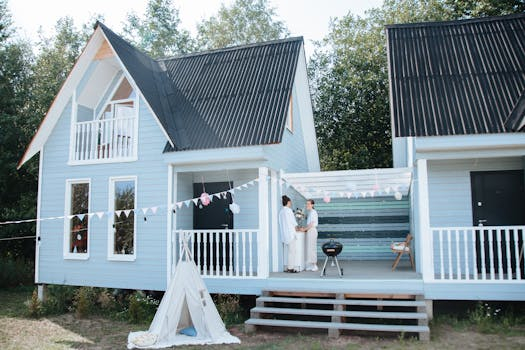
The Rise of Transnational Living
With the rise of technology and global travel, transnational living has become a viable option for many individuals and families. Whether it is due to work opportunities, education, or a desire for a more diverse lifestyle, more and more people are choosing to live in different countries for extended periods of time.
One of the main reasons for this trend is the ease of travel. With affordable airfare and advancements in communication technology, it is now possible to live in one country and work in another without any major disruptions. This has opened up a whole new world of opportunities for those seeking a more global lifestyle.
The Challenges of Transnational Living
While transnational living has its perks, it also comes with unique challenges, particularly when it comes to designing a home. For many people, home is a place of comfort and familiarity. However, when you are constantly moving and living in different places, it can be difficult to create a sense of home.
Another challenge is the practicality of designing a home without borders. Different countries have different building codes, materials, and styles. This means that creating a cohesive and functional home can be a daunting task. Not to mention, the added expense of shipping furniture and belongings from one country to another.
The Concept of Designing Homes Without Borders
Designing homes without borders is an emerging concept that is gaining traction among those who embrace the transnational lifestyle. The idea is to create a home that can adapt to different locations and cultures, without losing its sense of identity.
This type of home is designed with a focus on flexibility and functionality. It is not tied down to one specific style or culture, allowing it to seamlessly blend in with different environments. This means that the design must be adaptable, practical, and versatile.
Incorporating Local Influences
One of the key aspects of designing homes without borders is incorporating local influences. This means using materials, colors, and design elements that are unique to the location. For example, a home in Japan may incorporate traditional Japanese architecture, such as sliding doors and tatami mats, while a home in Mexico might have bright colors and intricate tile work.
Maximizing Space and Functionality
With the limited space and resources that come with transnational living, it is important for a home to be designed with functionality in mind. This means maximizing space and incorporating multi-functional elements, such as storage solutions and furniture that can serve multiple purposes.
Utilizing Sustainable Design
Sustainable design is also an important aspect of designing homes without borders. With the constant movement and changes that come with transnational living, it is crucial to create homes that are environmentally friendly and energy efficient. This not only helps reduce the impact on the environment, but also saves money in the long run.
Conclusion
Transnational living is a lifestyle that is here to stay. As more people embrace this way of life, the concept of designing homes without borders will continue to evolve and adapt to the needs of its inhabitants. With a focus on flexibility, functionality, and sustainability, it is possible to create a sense of home without being tied down to a specific location. By incorporating local influences and maximizing space, a home can truly be a reflection of the unique experiences and cultures that transnational living offers.